A cosmic celebration of one of the greatest albums of all time

Oakland, CA
Chabot Space & Science Center
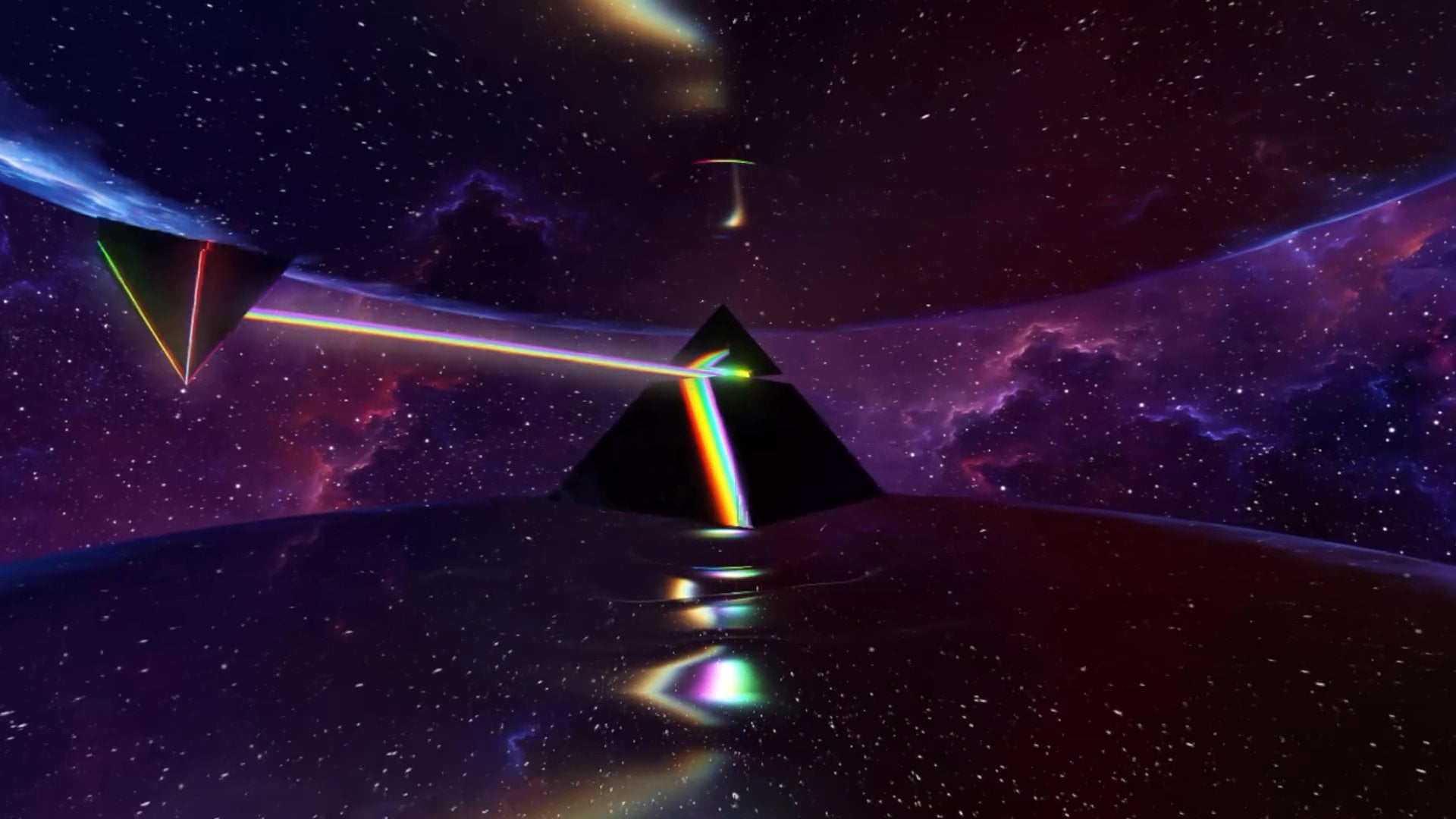

Over 1 million people worldwide have now seen the unforgettable audio-visual journey celebrating Pink Floyd’s legendary album, The Dark Side of the Moon.
Each of the album’s 10 classic tracks is presented in order, accompanied by 360° visuals that surround you from every angle — some inspired by the band’s storied past, others imagining a bold new future.
With breathtaking visuals, produced by the award-winning team at NSC Creative in collaboration with Pink Floyd’s iconic creative director Aubrey Powell, this is more than a show. It’s a cosmic celebration of one of the greatest albums of all time.
We couldn't load the booking calendar.
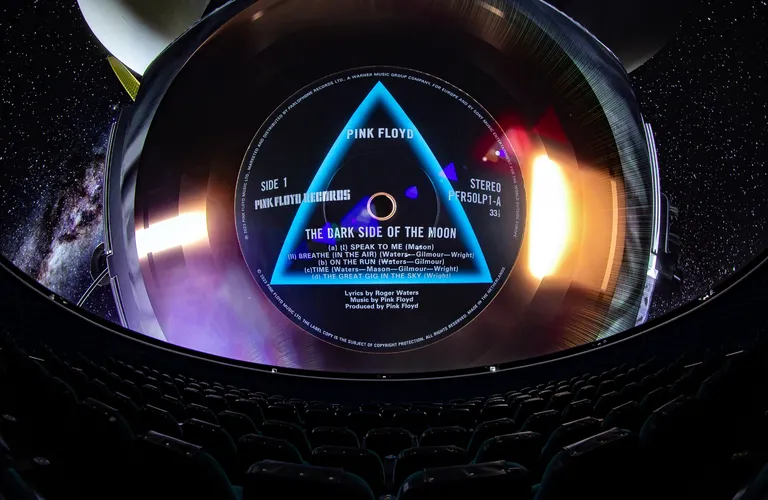
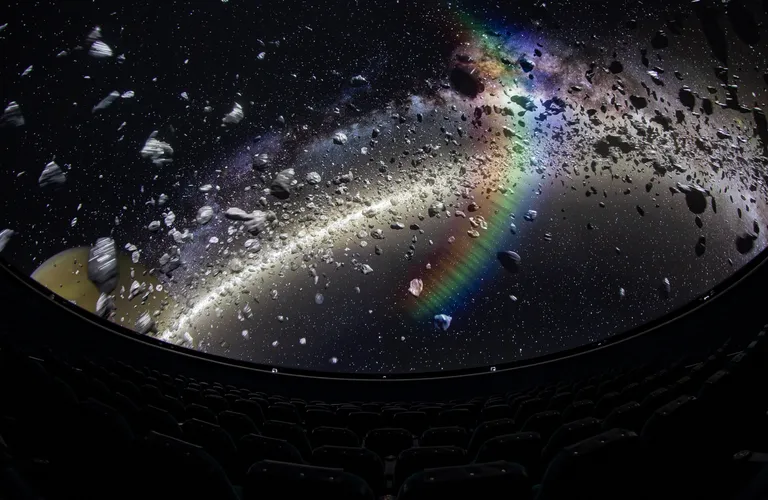
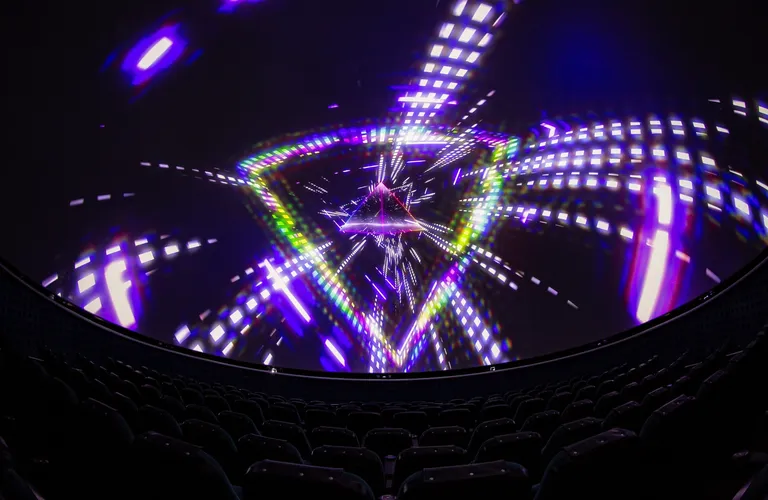
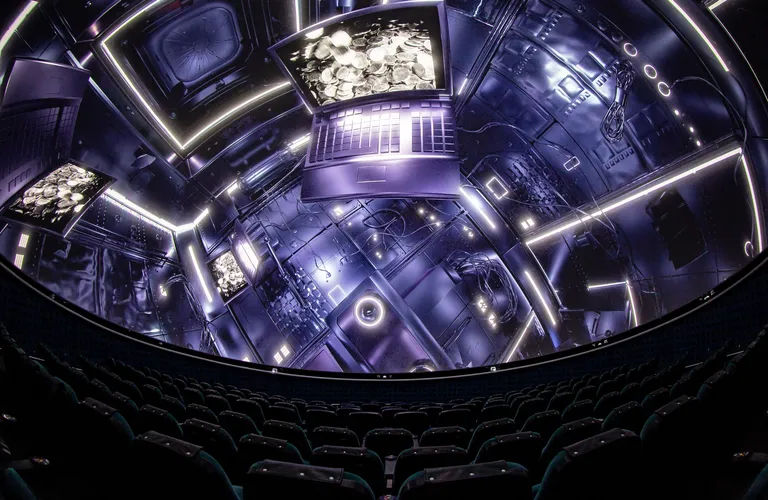
“Soaring through the asteroids...as David Gilmour’s blistering guitar solo hits its wailing crescendo in Time is a particular highlight.”

InReview
Adelaide — Australia
“Stunning visuals…pure escapism and joy.”

Stage Whispers
Adelaide — Australia
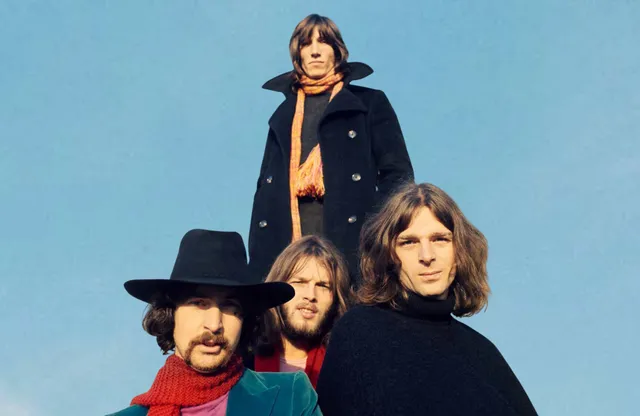
Pink Floyd
Pink Floyd is a British rock band formed in London in 1965. Known for their psychedelic sound, conceptual albums, and groundbreaking live shows, the band became one of the most influential and successful acts in music history. Their iconic works include The Dark Side of the Moon, Wish You Were Here, Animals, and The Wall. With over 250 million albums sold worldwide, Pink Floyd continues to be celebrated for its innovation and lasting impact on popular culture.
Venue Information
Chabot Space & Science Center
Chabot Space & Science Center is a non-profit science center that serves Oakland and the Greater Bay Area as a place for STEM learning and engagement. Their mission is to inspire and educate learners of all ages about the Universe and Planet Earth.
In 2021, Chabot opened The NASA Experience, a NASA Ames Visitor Center, featuring hands on activities and NASA AMES artifacts, that highlight current Ames’ research and space missions, all part of a broader partnership between the Center and NASA Ames.
The research-level observatory complex features three large scale telescopes and is the largest observatory complex free for public viewing in the Western United States. The telescope domes house 8-inch (Leah, 1883) and 20-inch telescope (Rachel, 1916) refracting telescopes, along with a 36-inch reflecting telescope (Nellie, 2003). The 20-inch telescope was used to relay information to NASA during the Apollo 13 descent. The 36-inch telescope is actively used for Near Earth Object research.


About the Ask Jeeves Planetarium
The Ask Jeeves Planetarium uses three visualization systems, which operate independently or in combination, to transport audiences on explorations of the Earth and Beyond.
The Zeiss Universarium fiber-optic star projector (one of only four in the United States) reveals the night sky, minus the glare of city lights using world-class optics to create a precise, deep-field sky with up to 6,000 celestial objects!